
Safety and reliability are paramount on active airfields. Snow and ice can dramatically reduce braking performance, visibility, and aircraft maneuverability, so airports and related facilities rely on a coordinated mix of anti-icing, de-icing, mechanical removal, and real-time condition assessment. While this article centers on airfield operations, Hayes Services also supports property managers with comprehensive snow & ice management for shopping centers New London, applying the same disciplined planning and rapid response that aviation landmarks depend on.
Key Objectives on Active Airfields
- Maintain surface integrity for takeoffs, landings, and ground movements.
- Restore friction and surface grip quickly, even after heavy snowfall.
- Communicate current conditions to pilots and ground crews through established reporting protocols.
- Minimize disruptions to schedules while protecting personnel and equipment.
Anti-Icing and De-Icing: Proactive and Reactive Strategies
Anti-icing: Before or during a snowfall, crews apply liquid agents and blended pre-wetting solutions to prevent ice formation and to improve the effectiveness of later de-icers. These treatments can reduce bonding between ice and the pavement, lowering the energy needed to remove accumulation.
De-icing: After precipitation begins or has halted, de-icing agents are applied to melt existing ice and snow. Common compounds include calcium chloride, magnesium chloride, and sodium chloride blends, chosen for effectiveness at low temperatures and reduced environmental impact when used properly. Surface temperatures, precipitation type, and airfield priority zones dictate the choice and timing of de-icers.
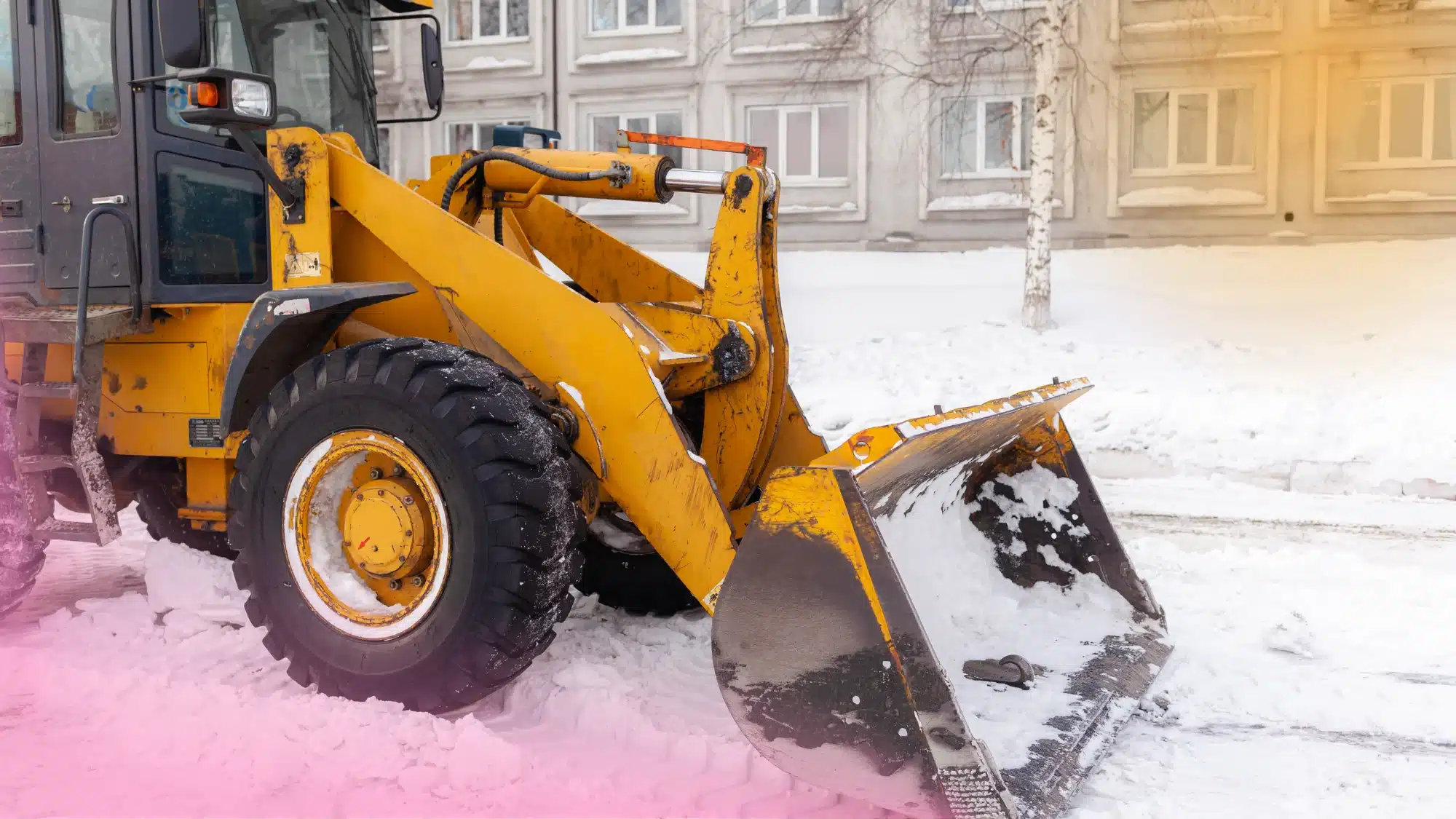
Mechanical Removal: Plows, Sweepers, and More
- Runway and taxiway plows: Specialized winged and angled plows push snow to designated areas and create workable pavement. Tow plows and multi-pass configurations are common for heavy accumulations.
- Snow blowers and sweepers: High-capacity machines handle windrows and finer snow on open ramps and apron areas, reducing re-accumulation and improving traction.
- Equipment coordination: Operators work in teams, aligning passes with airflow, wind direction, and runway configurations to minimize turbulence and avoid redeposition of snow onto critical surfaces.
Application Equipment and Techniques
- De-icing trucks with spray booms, anti-icing fluids, and pre-wetting capabilities enable rapid coverage of runways, taxiways, and ramps.
- Pre-wetting with brine enhances the performance of solid de-icers, improves adhesion to the surface, and reduces overall chemical usage by preventing bounce and scatter.
- Snow banks are strategically placed in designated areas away from runway edges, visual aids, and fencing to ensure clear safety margins and emergency access.
Testing, Safety Coordination, and Regulatory Alignment
- Friction testing and the Runway Condition Assessment Matrix (RCAM) or similar schemes help quantify braking action and determine clearance priorities. Regular reporting informs NOTAMs and air traffic control decisions.
- Coordination with airport operations ensures closures, limitations, and reopenings follow established safety protocols.
- Training and drills for ground crews emphasize PPE, communication procedures, and equipment-specific safety checks to minimize risk during operations.
Environmental and Regional Considerations
- De-icers and brines must be used with attention to runoff, contamination potential, and environmental guidelines. Airports plan for containment, runoff treatment, and proper disposal where required.
- Local climate patterns—typical snowfall rates, temperatures, and wind—drive the choice of agents and equipment, balancing effectiveness with cost and environmental impact.
What to Look for When Selecting an Airfield Snow and Ice Program
- A diverse, well-maintained fleet of plows, sweepers, blowers, and de-icing trucks, plus trained operators available around the clock.
- Clear protocols for anti-icing versus de-icing, with pre-wetting capabilities and site-specific remediation plans.
- Strong communication with airport operations, weather services, and safety teams, backed by data-driven decision support (friction testing, RCC/NOTAM processes).
- Experience with regional conditions and the ability to scale operations as storm severity changes.
Conclusion and Next Steps
Active airfields rely on proven snow and ice removal methods to maintain safety and continuity of operations. If you manage a facility in the New London area and need tailored guidance, Hayes Services can help you design a robust approach that aligns with industry best practices. Importantly, Hayes Services also offers snow & ice management for shopping centers New London, applying the same rigorous standards and planning precision to commercial properties.
To learn more about a comprehensive winter plan or request a customized assessment, contact Hayes Services for a consultation and quote.